

Mornings are busy times in the Bush, particularly on a transfer day, with the packing and the settling of bar tabs and whatnot. Today we were climbing back in the vehicles and heading to our next destination. On a trip like this, the journey itself is part of the experience and is not a time to be wasted, but rather a time to be savored, like a good rump steak. Yup, rump steak. They made a good one at Makalolo.
That said, we hit the road at a breakneck pace, our sightseeing ride now turned into the “Kalahari Ferrari” by Kingsley, speeding through the trails in the early morning light back towards the park entrance and headquarters. It was cold with the wind whipping by at 30kph, but thankfully, we were graced by the presence of our bush babies for the ride, along with our lined ponchos and wool blankets. Even Kingsley had a bush baby. His, however, somewhere on the ride, decided to give up retaining its water and proceed to leak all over his lap, making for a less than desirable heating condition and, as one might expect, a decidedly uncomfortable physiological sensation. I’d assumed he’d been using the truck’s heater, but he said he considered that “cheating.”
It may be considered quaint or even trite, but we were sad to say goodbye to Patrick and Kingsley. Perhaps it was that they were our first guides. Maybe it was that you get close in this environment. Maybe it was the personalities of both of these gentlemen. My guess is it was likely all three factors combined. “In Zimbabwe, at the end of the tunnel, there is light.” – Patrick
We were back on a bus, which was an interesting change from our open-air 4-wheel-drive machines and not entirely unwelcome. It was okay to not have to engage your core muscles just to stay upright in your seat. One of the amazing things about that part of Africa is that we still saw waterbuck, hornbill, ellies (I love that nickname), and ground cranes all on our way to the first stop of our transfer.
Stop one was a quick drive by the Painted Dog Conservation center, a rehab clinic for dogs who have been caught in snares or have gotten diseases. The organization also gives dogs reflective collars to help prevent car strikes. They also try to track the dogs in the packs that run through the area. There can be from 400 to 700 dogs under care or surveillance at any given time. This was just a quick stop in the center’s layby, so we will also move on.

The next stop was Jabulani, a village of approximately 500. The village is on the way to Victoria Falls and is quite near the Vic Falls airport. More interestingly, it is also Dumi’s village and is comprised primarily of the Nambya Minority Tribe which is an offshoot of the Shona Tribe. The Tribal System remains the primary form of local governance in the villages; the towns have a more “western” structure, for lack of a better term. A Chief has multiple villages under rule depending on the size of the tribe. The next layer would be the Headman group, which would be in charge of four or 5 villages with each village having a Village Head reporting to their respective Headman. This leadership structure resolves disputes, petty crime, and territorial issues. I think that the way to explain it would be they resolve the tort and small claims court cases with a smattering of misdemeanors thrown in. Actual crimes are handled by the police and the formal judicial system. That said, if you want to move from village to village, you need to get a letter from your Headman or Village Head saying that you are in good standing. If you are considered a criminal, you will be relegated to the drudgery of town life.
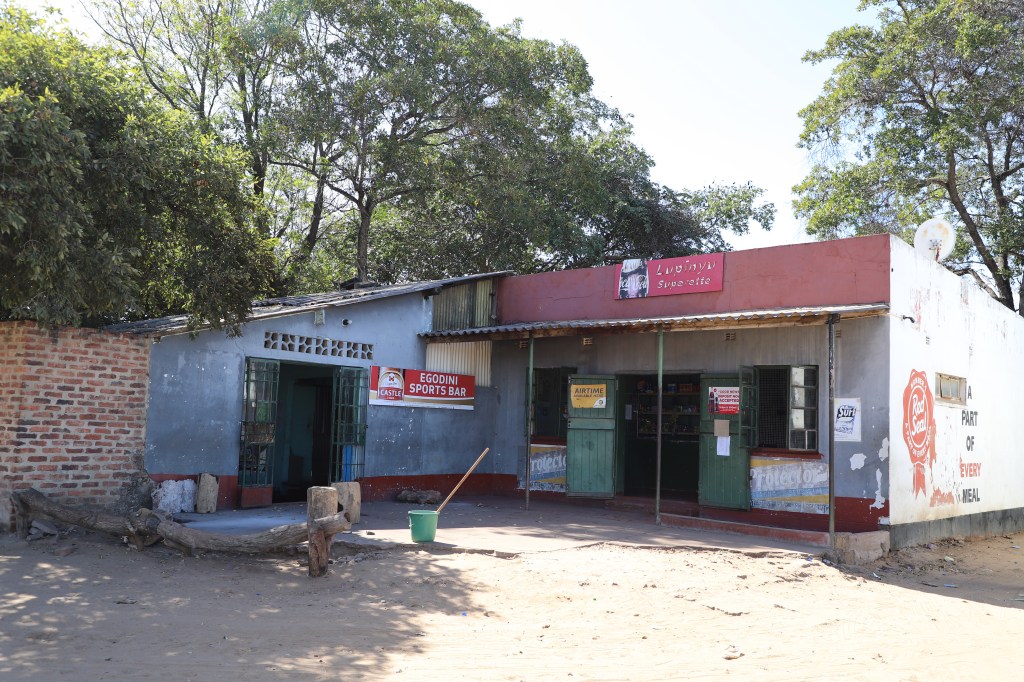
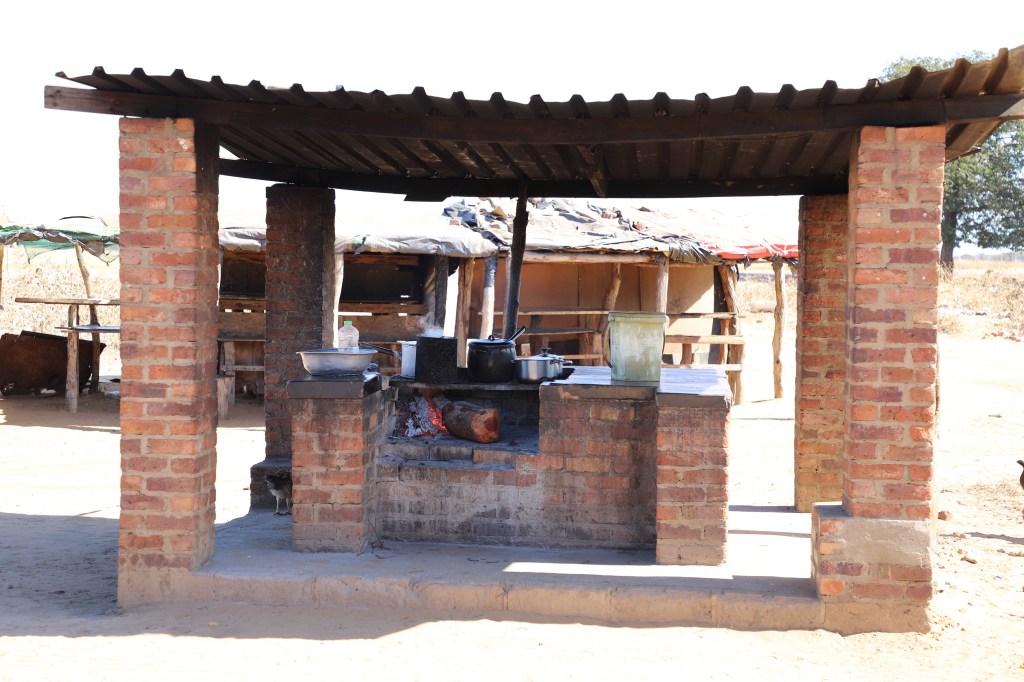
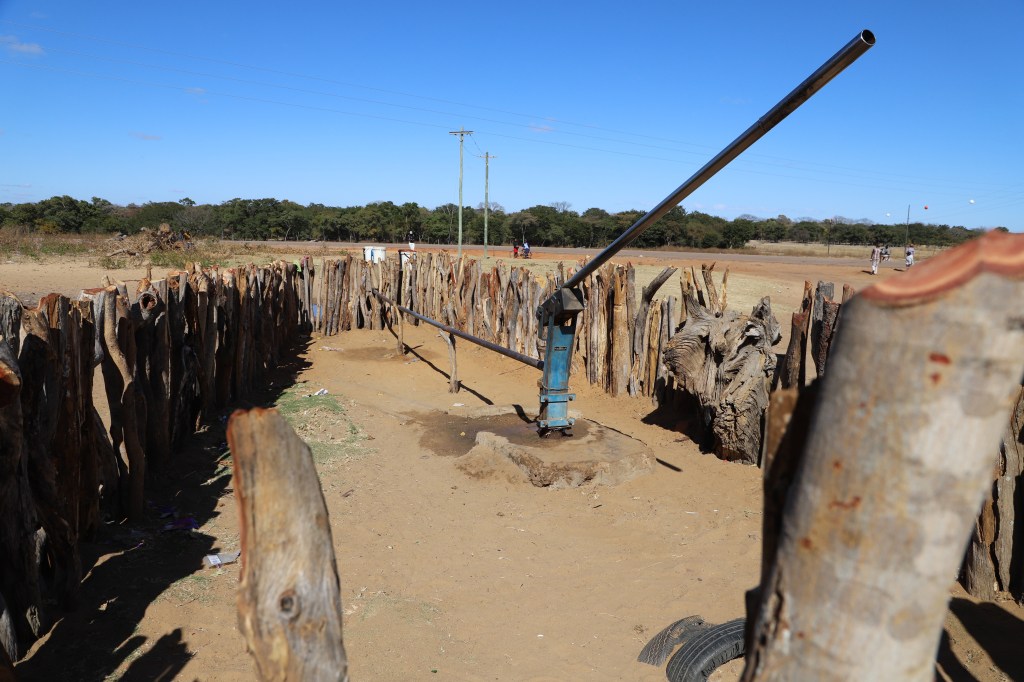
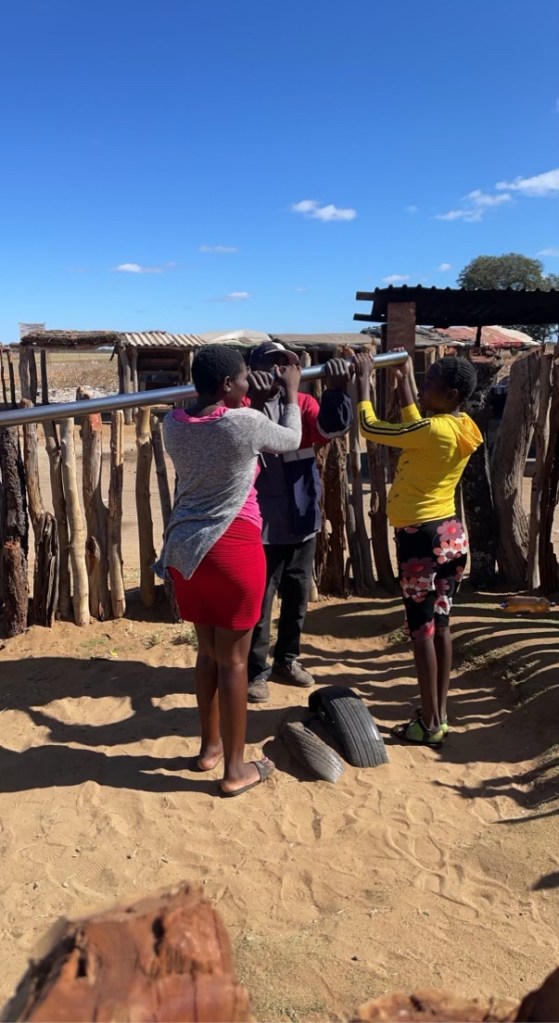
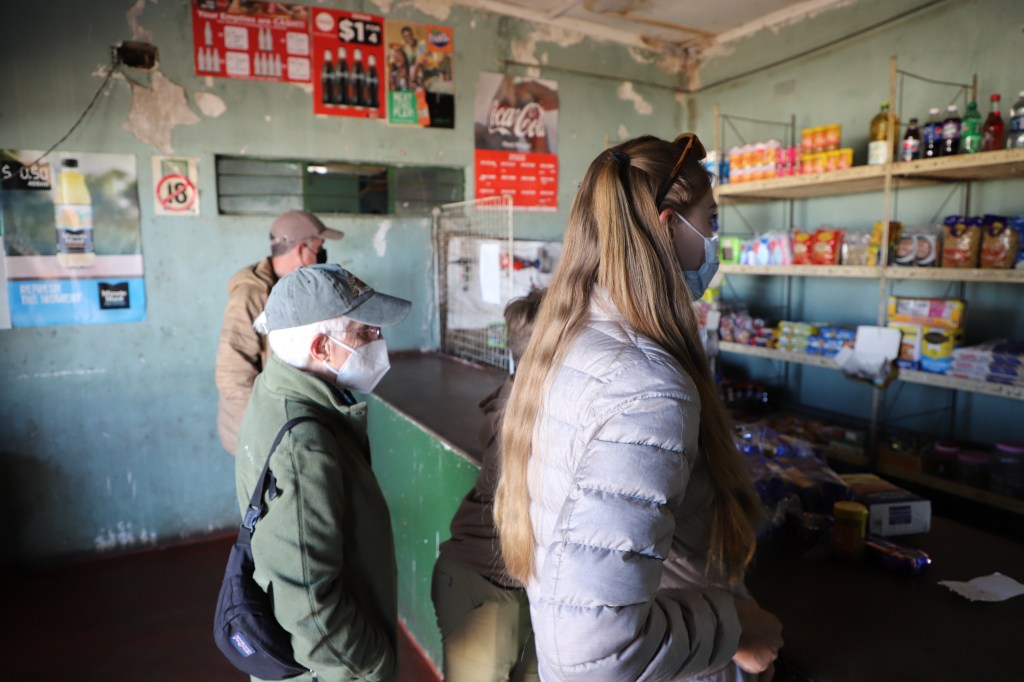
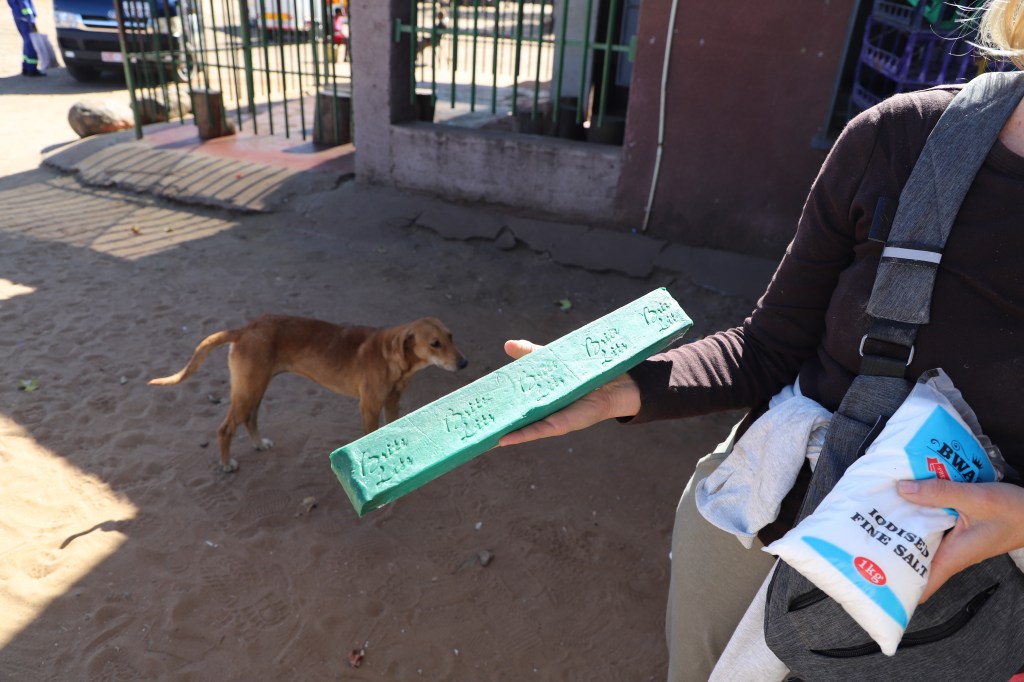
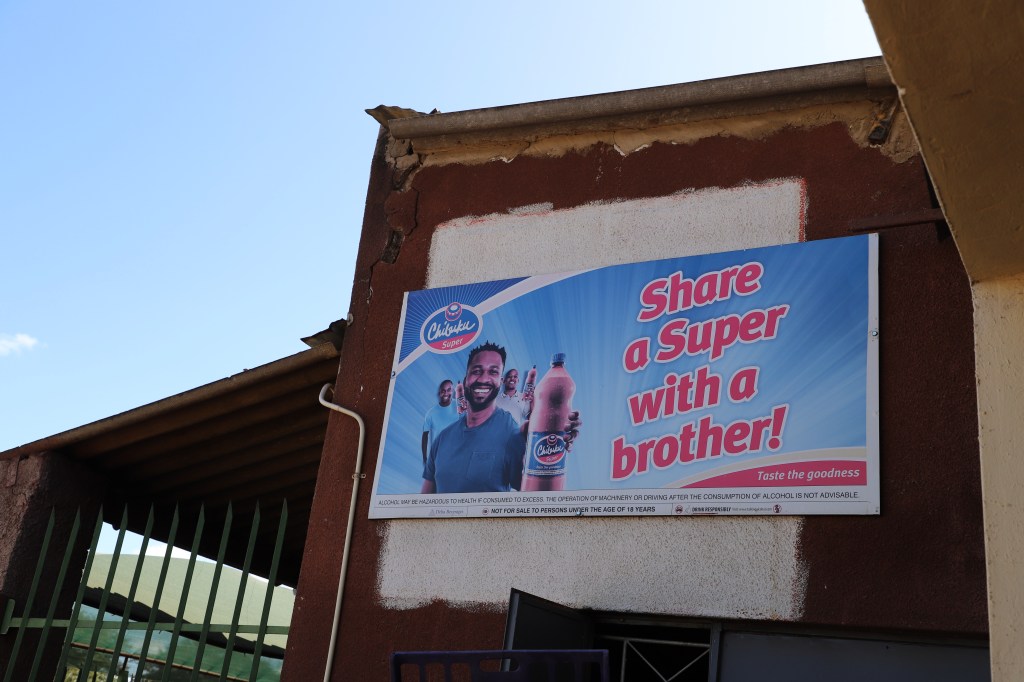
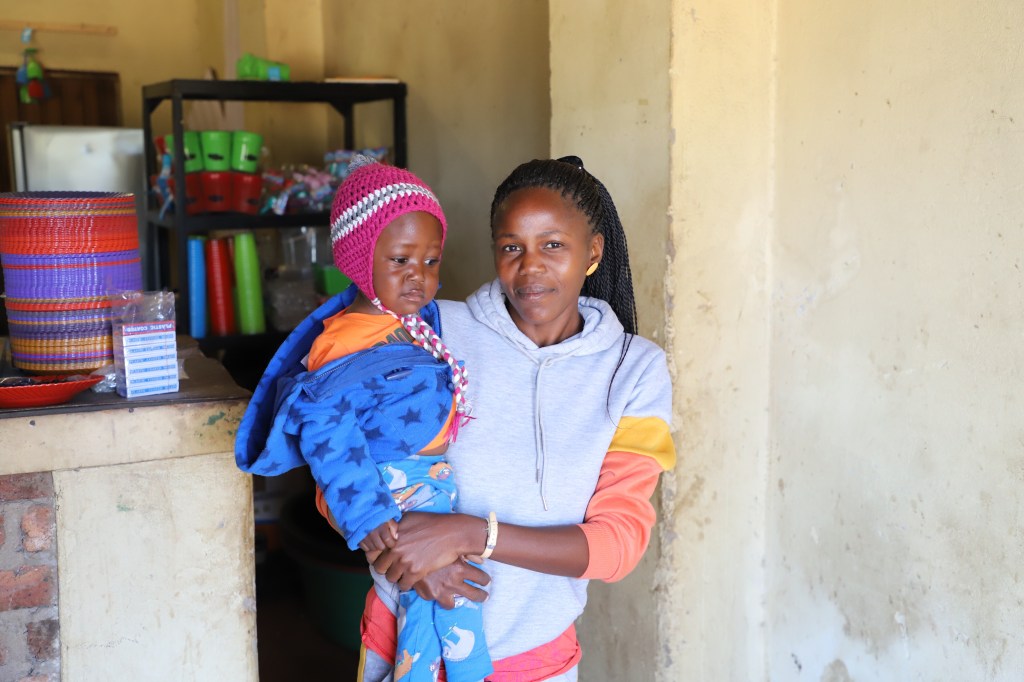
The village has a couple of small storefront/counter-type markets, a couple of bars, and a couple of places to buy prepared food. There is also a hand-pumped water pump. The dichotomy of having a hand pump basically under the flight pattern of a high-tech airport is not lost on me. We bought a few things while we were there including some rice, some meal, and a few other food products. My favorite was the green bar of laundry soap. First, it is large and green and smells quite fresh, and is used to handwash laundry. Secondly, I had a vague vision of getting that jammed in the mouth of a youngster who had taken to swearing too much in the company of their parents. I think it would be quite a deterrent. We gathered up our purchases and continued on.
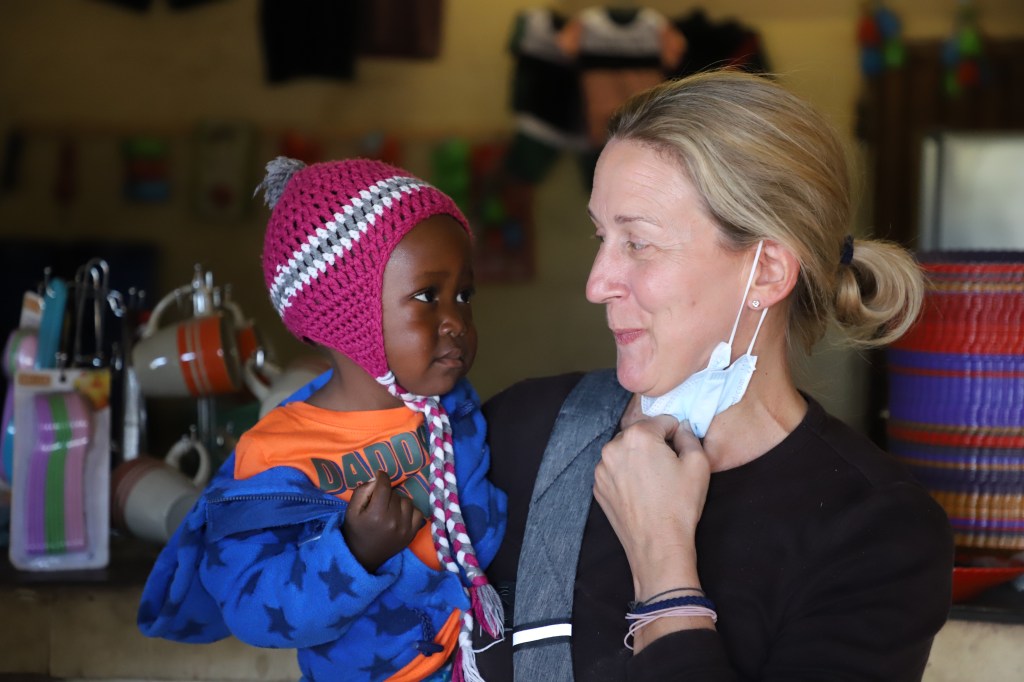
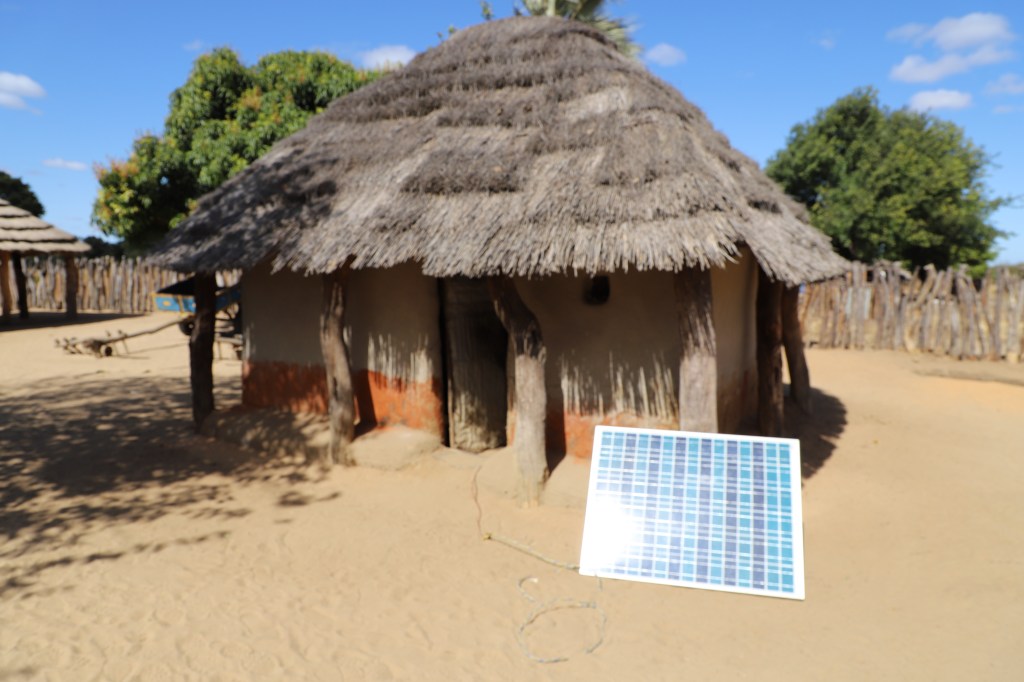
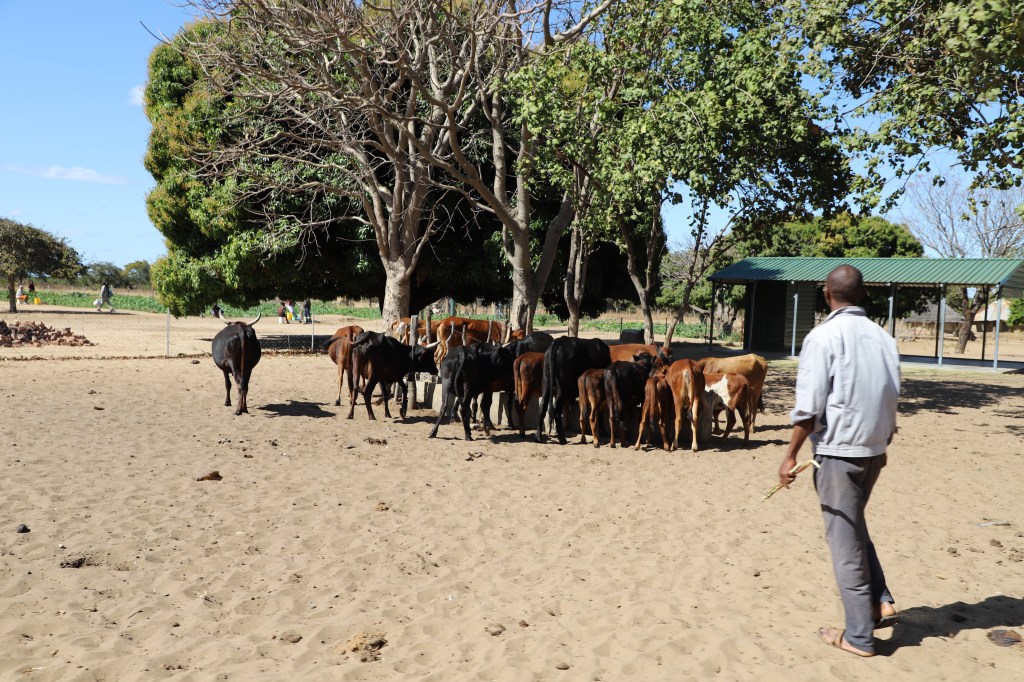
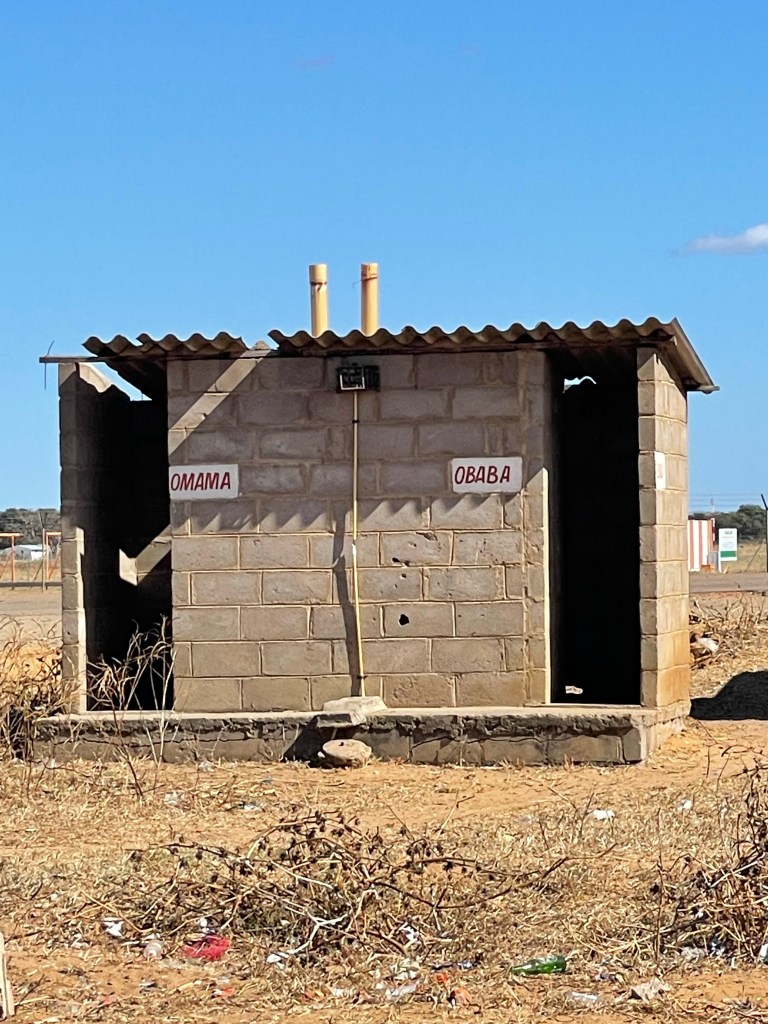
So our next stop was a specific homestead in the village, the homestead of one of the village heads. A homestead consists of a kitchen, a parents’ bedroom hut, a girls’ hut, a boys’ hut, an open kitchen, and various animal pens. There also may be male and female cemeteries on the outskirts of the homestead, as well as a separate bathroom and toilet. The houses can range from round straw huts with reed walls to square houses made of mud bricks. Some homesteads have wooden square houses with metal roofs similar to houses in rural North America.
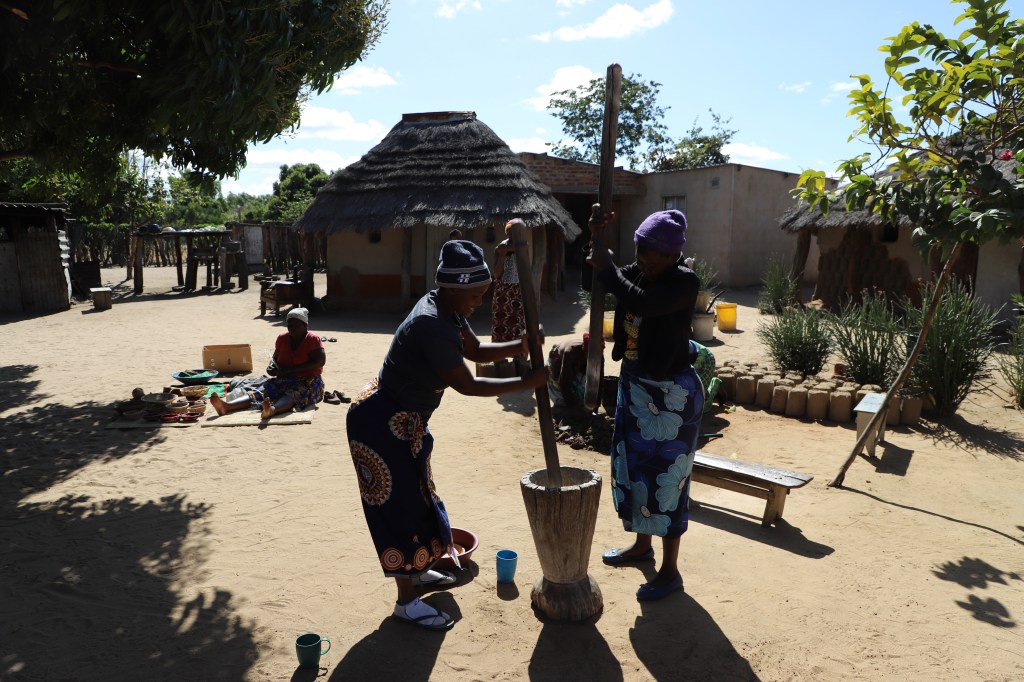

The homestead is bustling with activity. One older woman is weaving baskets and platters out of colorful reeds and grasses, two women are grinding millet and two others are making bricks for the repair of one of the buildings. We were greeted by one of the male members of the household, Terrence, and brought to meet some of the other residents. As a special treat, we were introduced to Mr. Nyathi, the Village Head. He and grandma have six children and nineteen grandchildren; grandma was the one weaving the platters and baskets. We exchanged names with the community, and Papa met John. The pair hit it off like they were meant to have met, essentially forming a rolling comedy team for the rest of our visit. We took a tour of the homestead, noting the solar power for things like cell phones and music players. The insides of each bedroom and other indoor spaces were immaculate, which is truly amazing given that the closest paved or improved surface is the main road. Em and Papa even tried their hand at grinding millet!

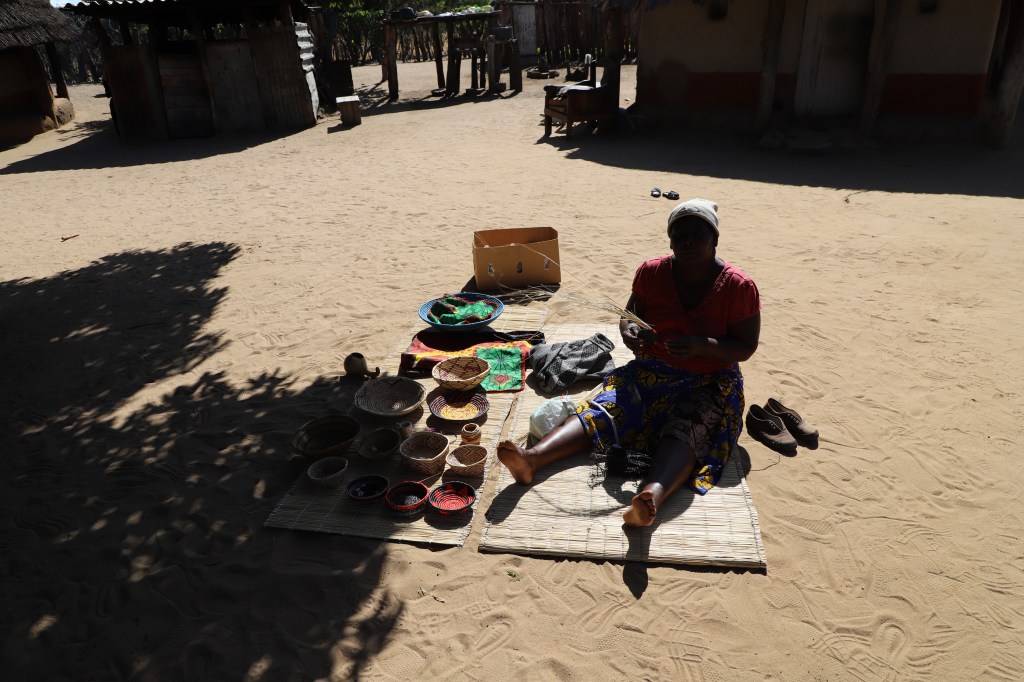
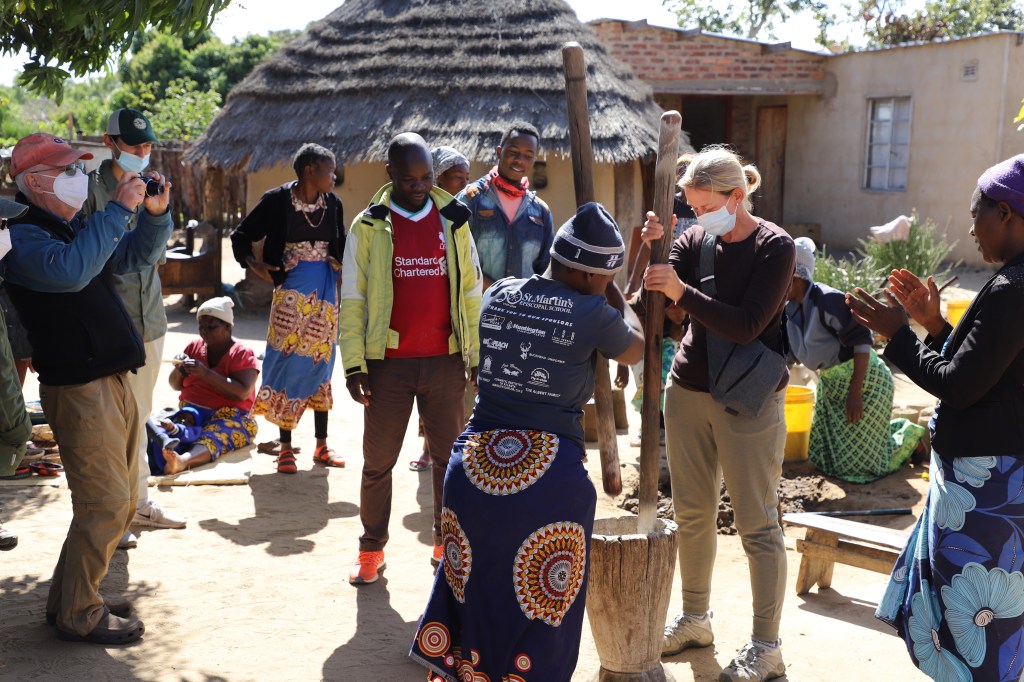
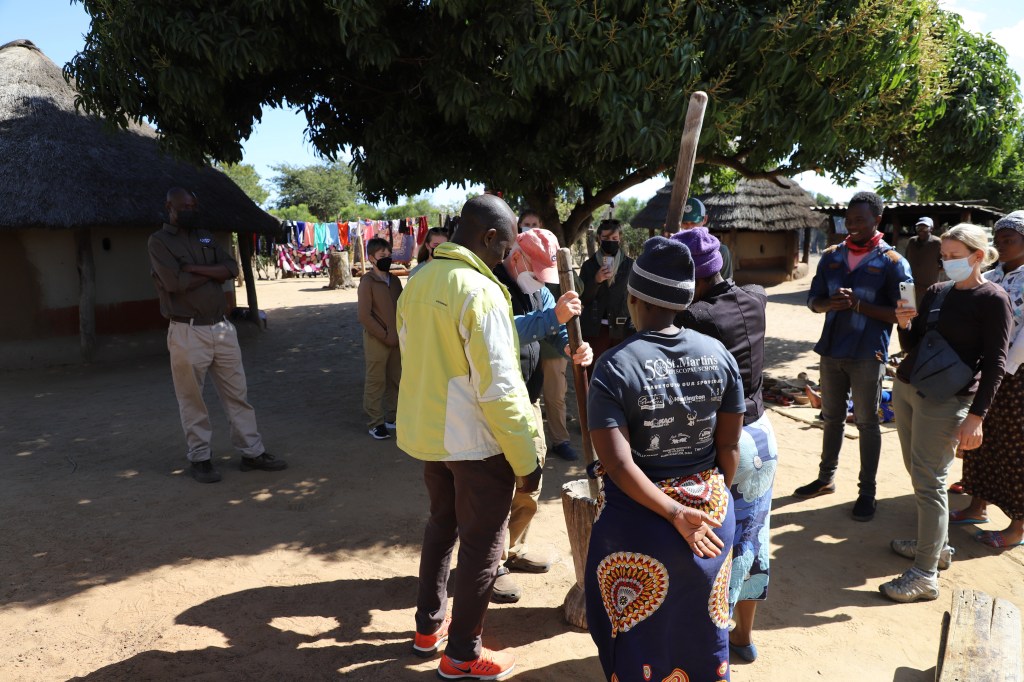

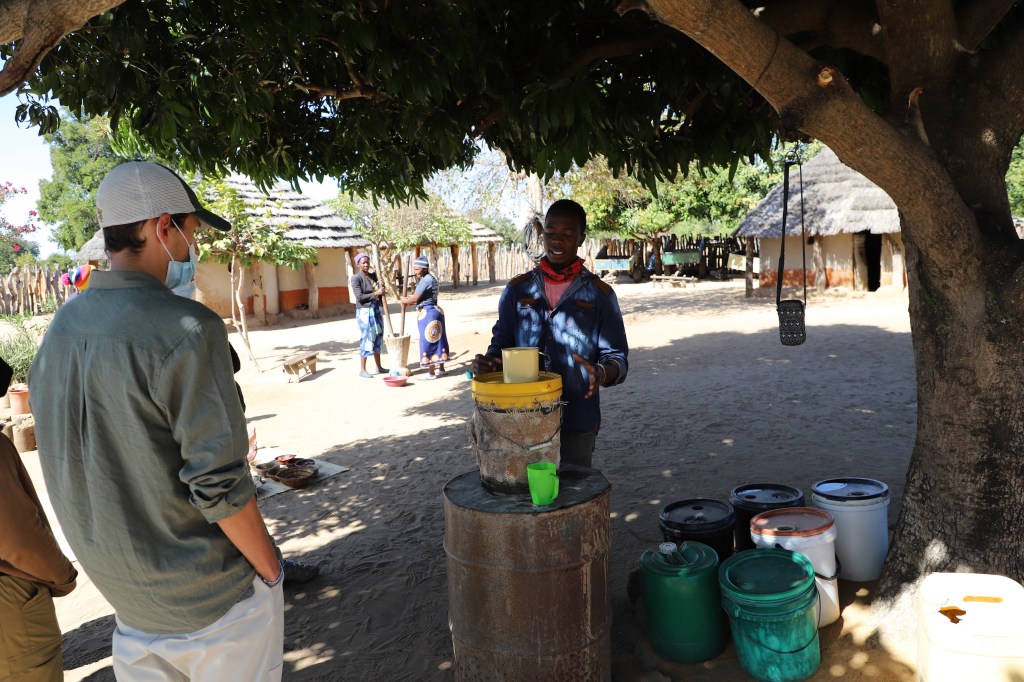
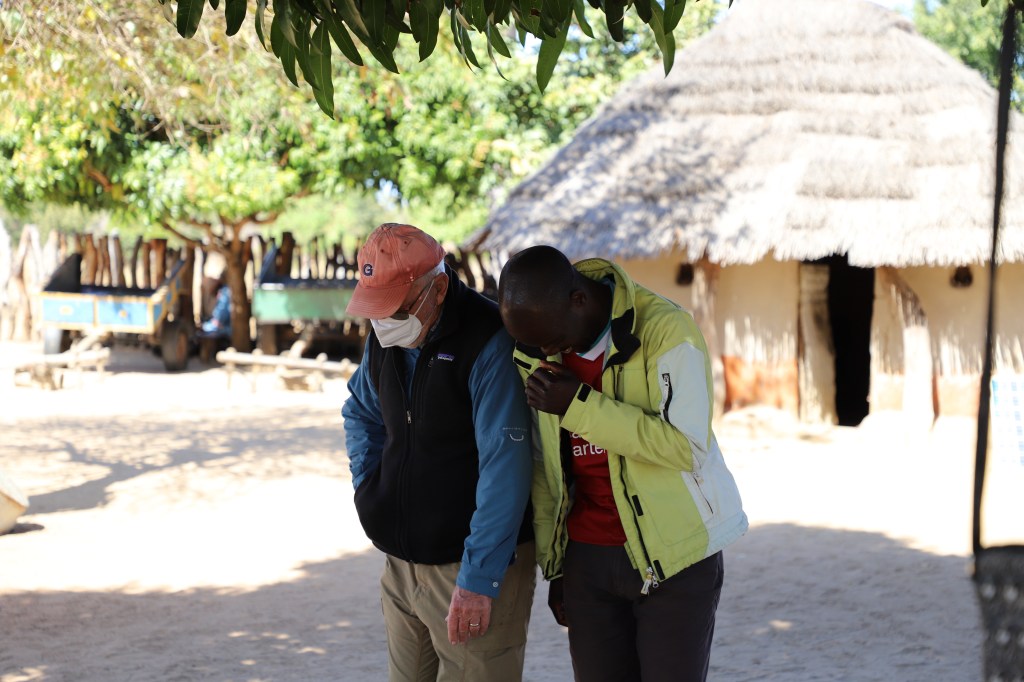


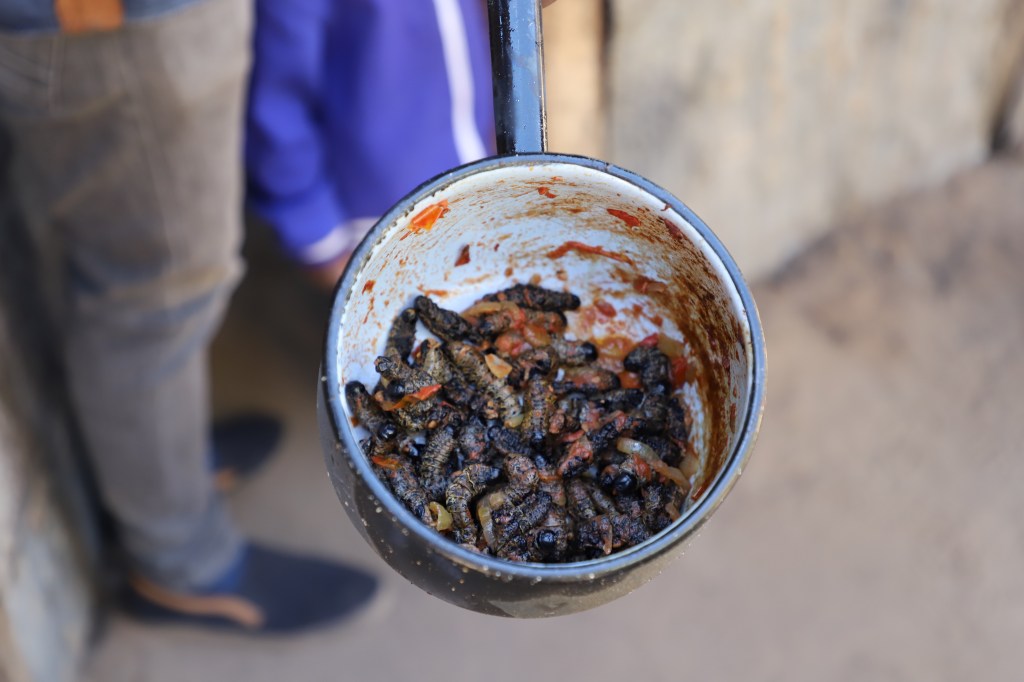
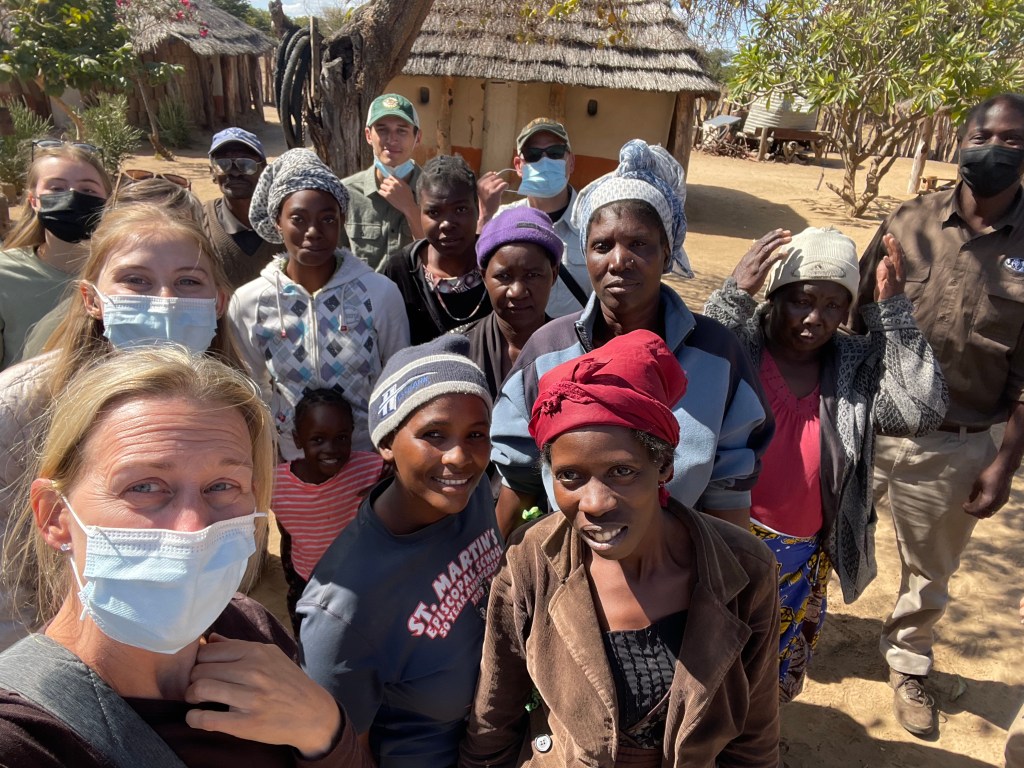
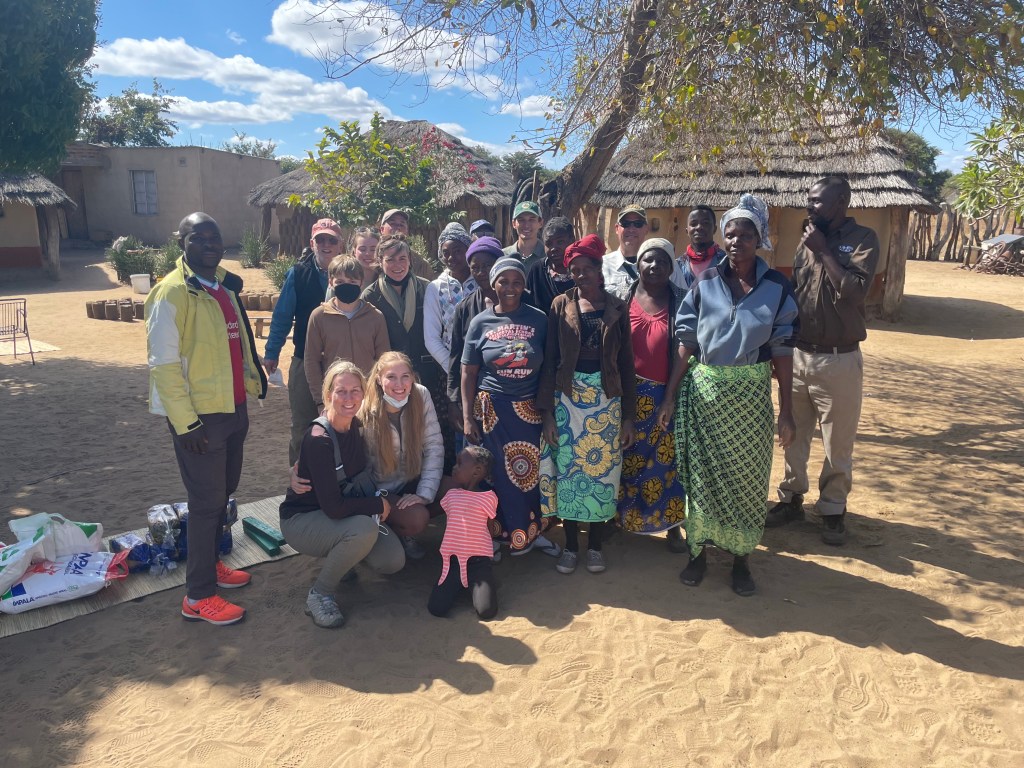
This homestead was the destination for the groceries we bought earlier, a trade for them so graciously giving us their time. They actually sang us a song to thank us, which frankly was beautiful, but it certainly makes me feel blessed and privileged for what I have been given. The country itself is becoming more progressive, with an increasing number of women getting jobs out of the home and, notably, wearing trousers. The in-home jobs remain traditional with women doing laundry and changing diapers and men fixing fences and digging holes. I am pretty sure that this would sound familiar in many houses here in the States. We bid our village hosts farewell and boogied on down the road to our last stop before we were to become airborne.
The Jabulani Primary and Secondary School has children from kindergarten through what would essentially be high school to us; the levels aren’t exactly aligned with ours, but the basics are the same. The school itself is made up of several small buildings that make up the classrooms and administration buildings, a playground, and a school garden. About 90% of all children go to school, which seems like a high number since parents have to pay for their children to attend. Additional support for supplies and buildings comes from the Grand Circle Foundation. For more information on this amazing organization, please go to www.grandcirclefoundation.org.
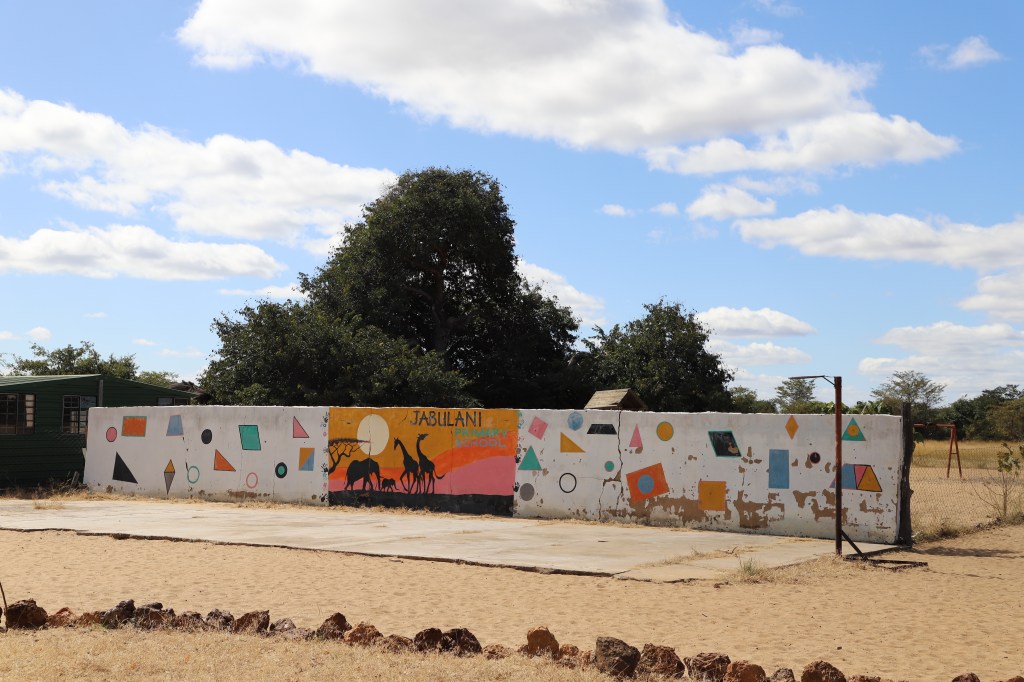
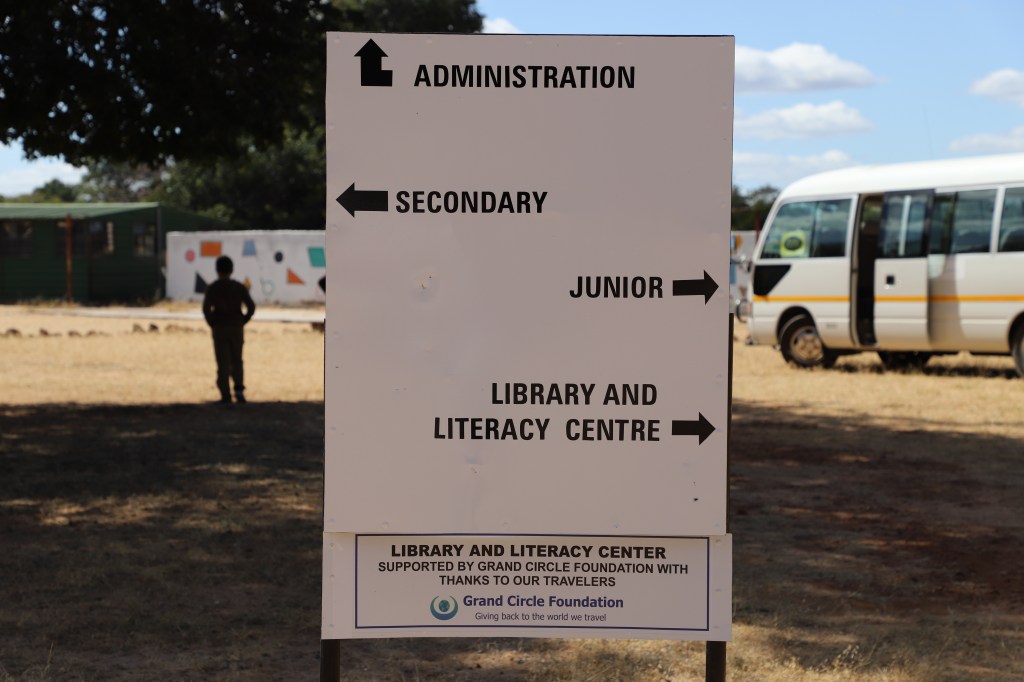
We were greeted by a flurry of seventh-grade students, all in bright blue uniforms. Each school has its own uniform and the bright blue of the Jabulani uniform matched the bright energy of the children who surrounded us. Blessed, a grade seven girl grabbed Maya’s and my hands in each of her’s with the confidence of someone who is a pro tour guide! She clearly takes her job seriously, but there was a mischievous smile that danced around her face as she led us around and showed us each part of the school. She did mention that one of her favorite things was being funny…

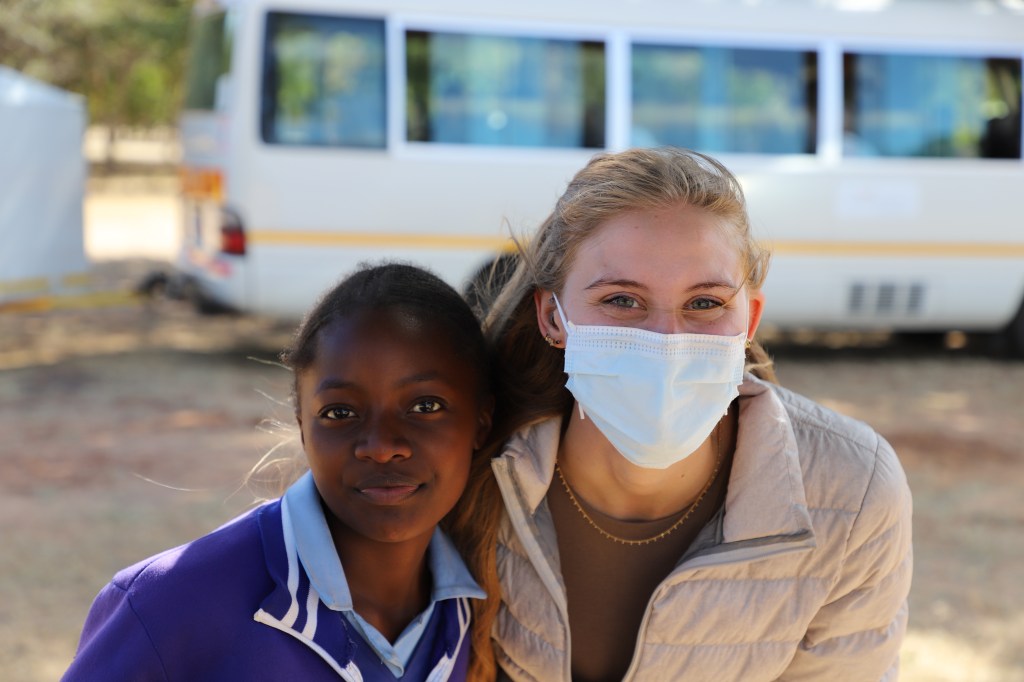
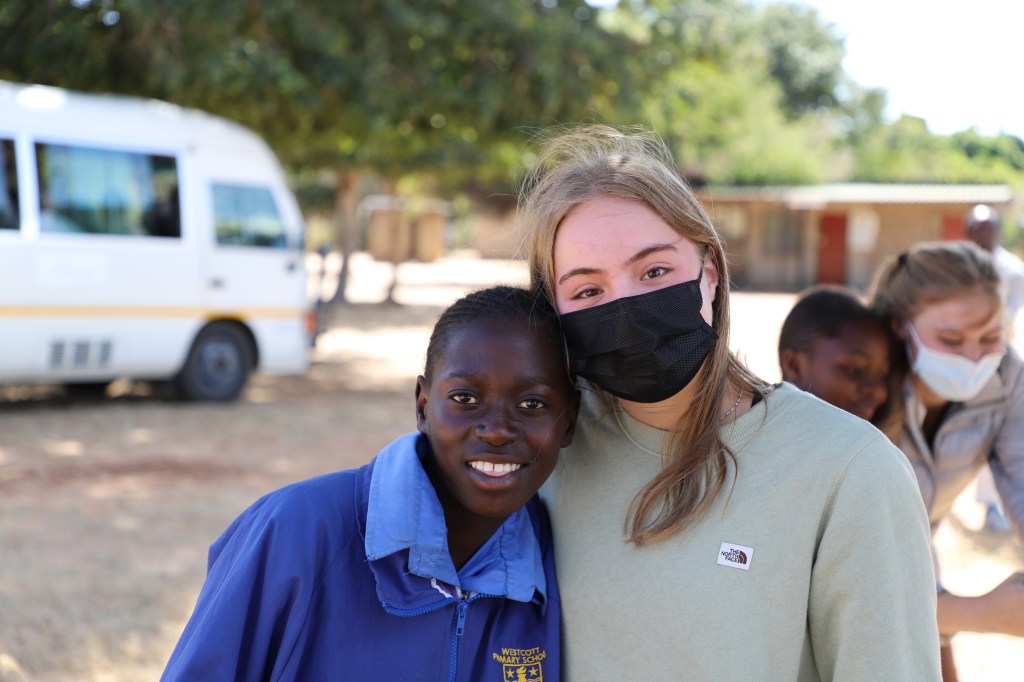
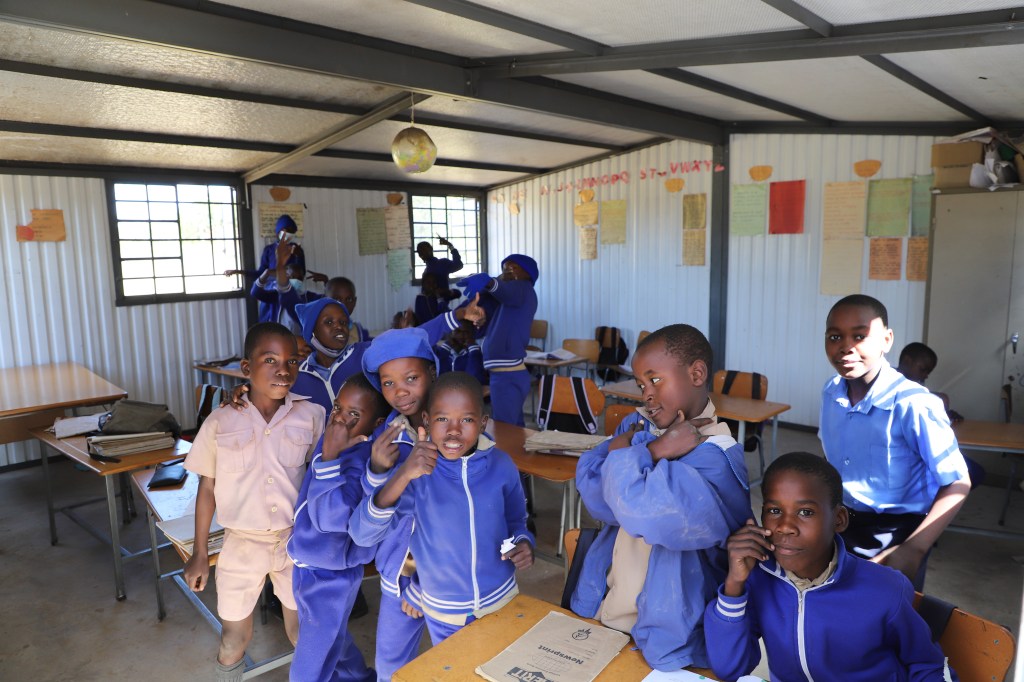
Assisting Blessed as tour guides were Angel, Sharon, Linda, Mathew, and Beauty. Beauty asked Heather how old she is. “45,” says Heather. “That’s old!” says Beauty. Humanely the age conversation stopped at Heather. No sense in asking the rest of us. Me for example.
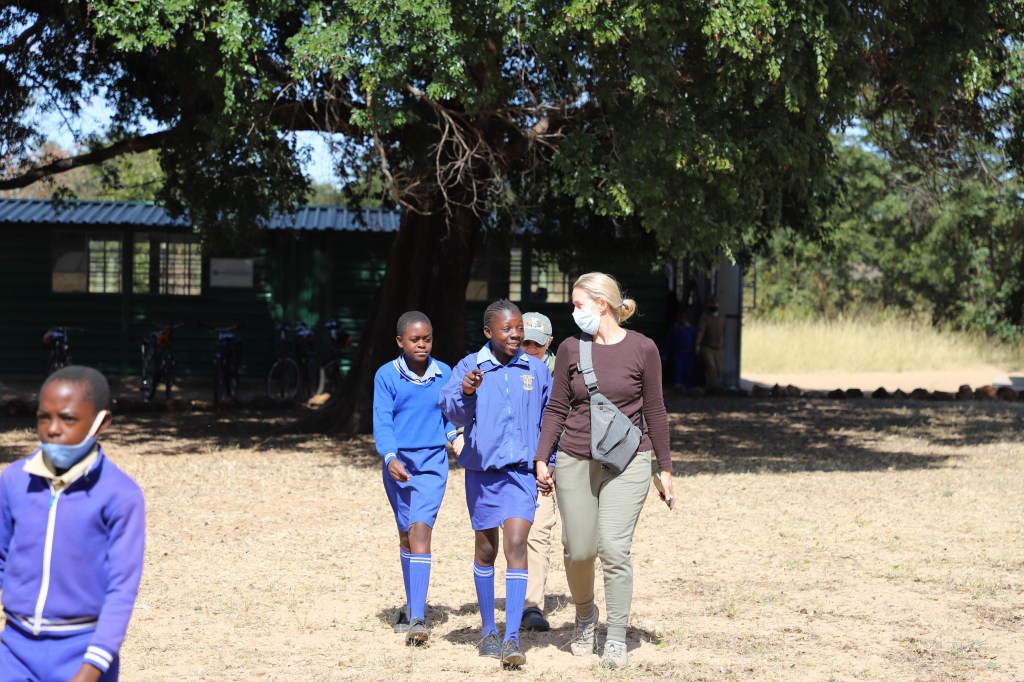

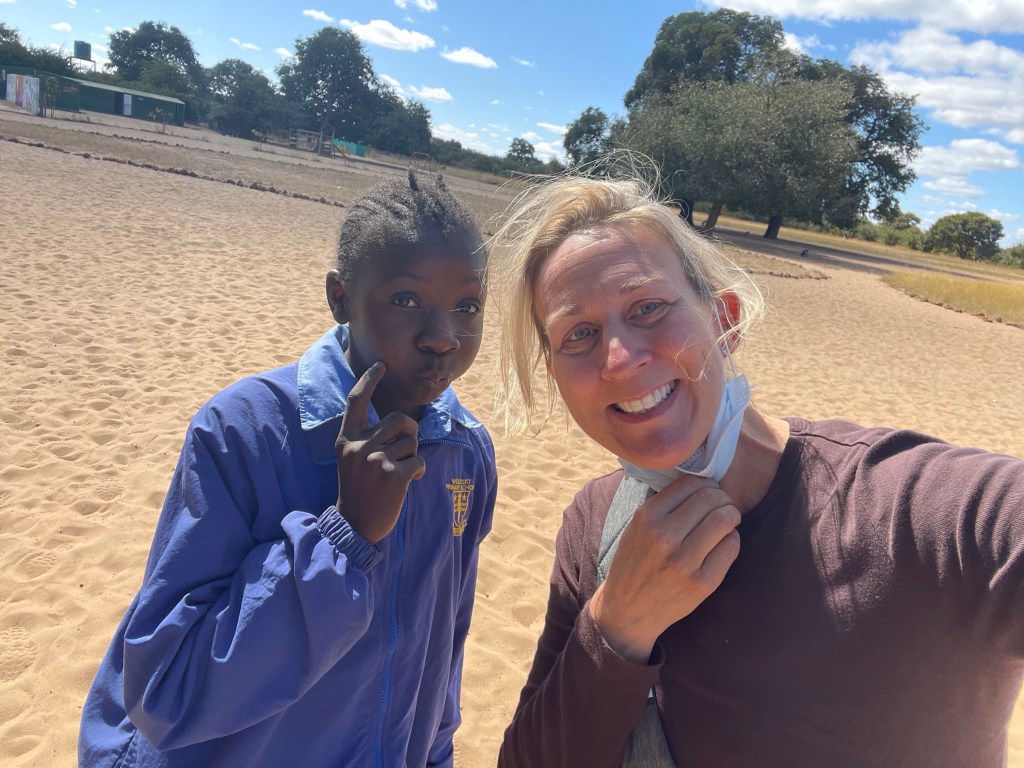
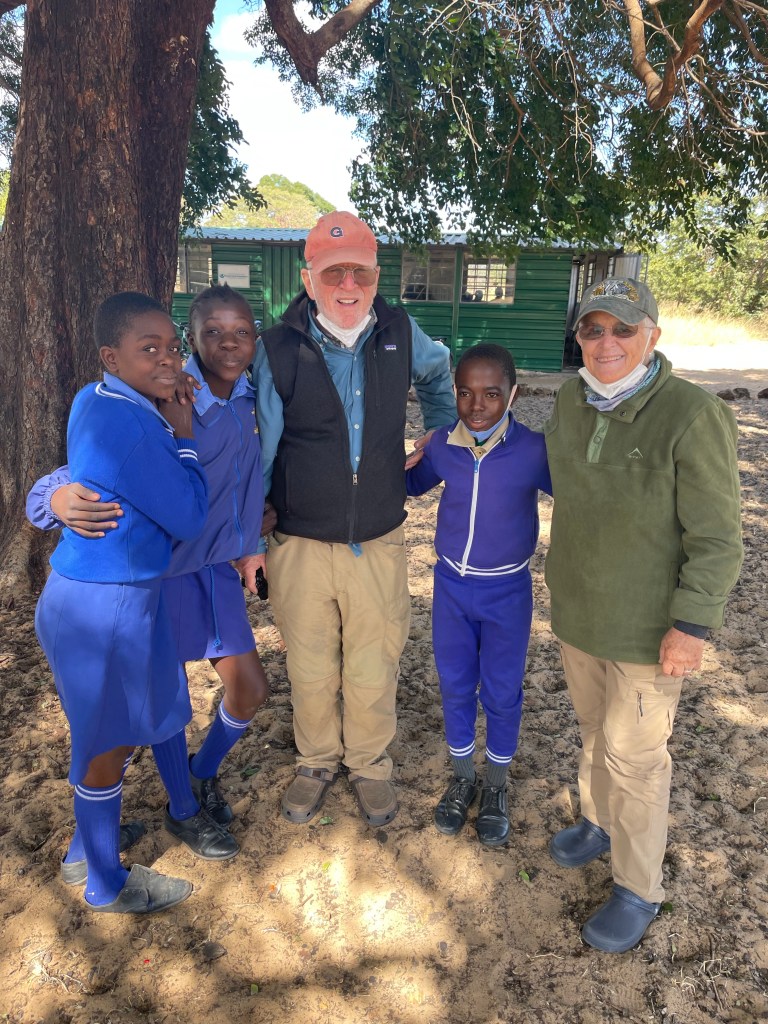
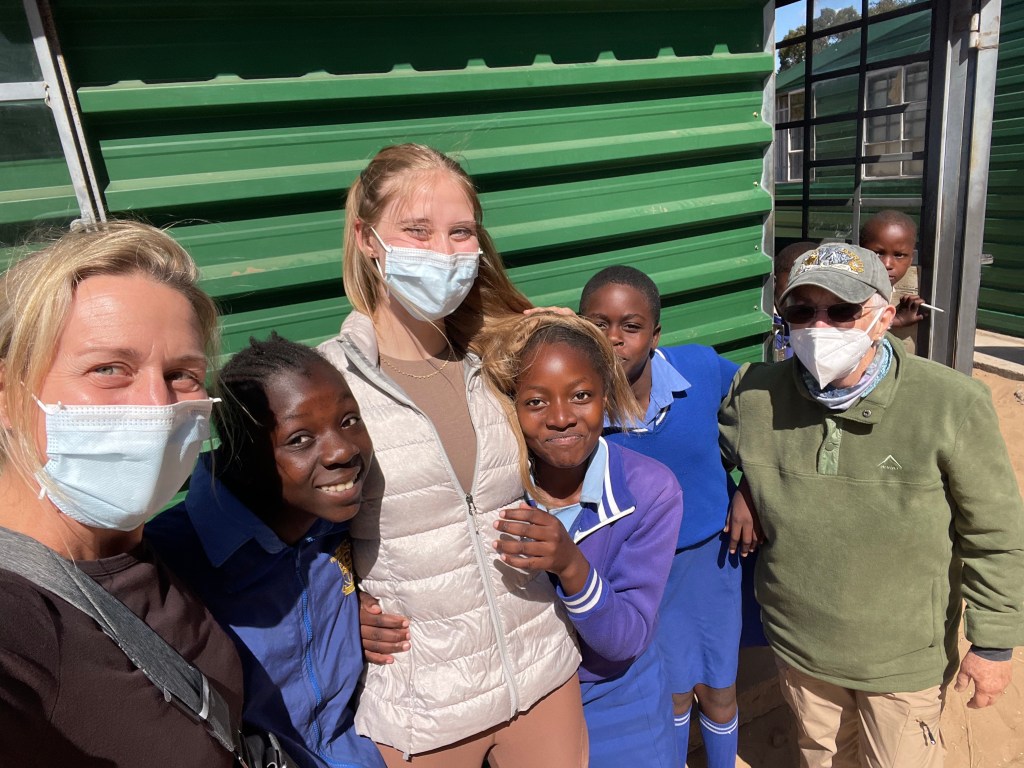
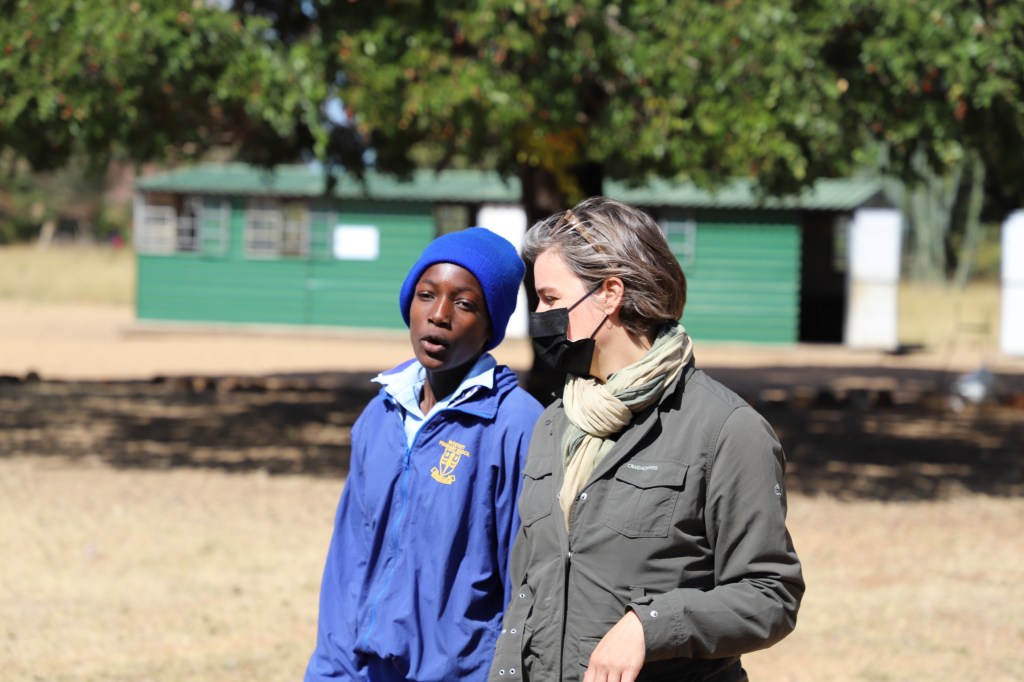

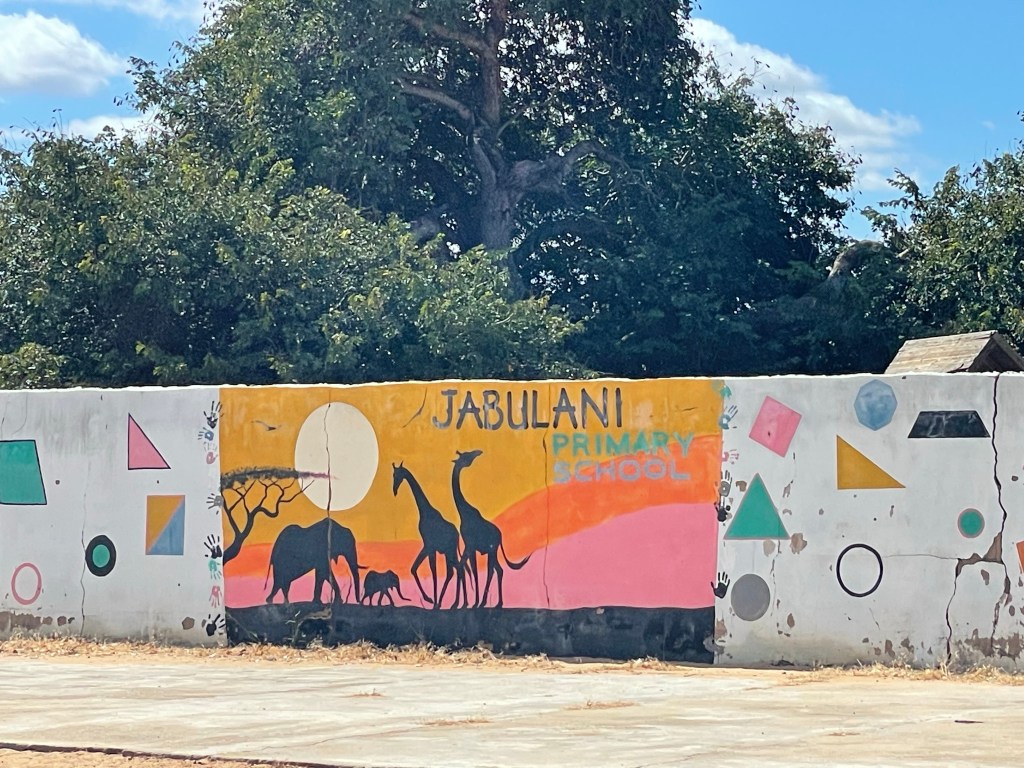
The children were definitely one of the bright spots of the trip so far. The spirit and energy of the place reminded me of why I still really like working in education. Thank you, Jabulani Primary and Secondary School!
 Safari in the Crucible of Humanity
Once again, Josh, well done!
Sarah Westcott would be very proud to have been your teacher. As am I to have raised you.
LikeLike